
Comparing Security Alarm Systems: Find the Right Fit for Your Home
Sa
Understanding the Basics of Security Alarm Systems
Home security is a top priority for many homeowners, and selecting the right alarm system is a crucial step in safeguarding your property. With numerous options available, it can be challenging to determine which system best suits your needs. This guide will help you compare different security alarm systems to find the perfect fit for your home.
Security alarm systems generally fall into two categories: wired and wireless. Wired systems connect directly to your home's electrical system, while wireless systems use radio signals to communicate. Each type has its own advantages and drawbacks.
Wired vs. Wireless Systems
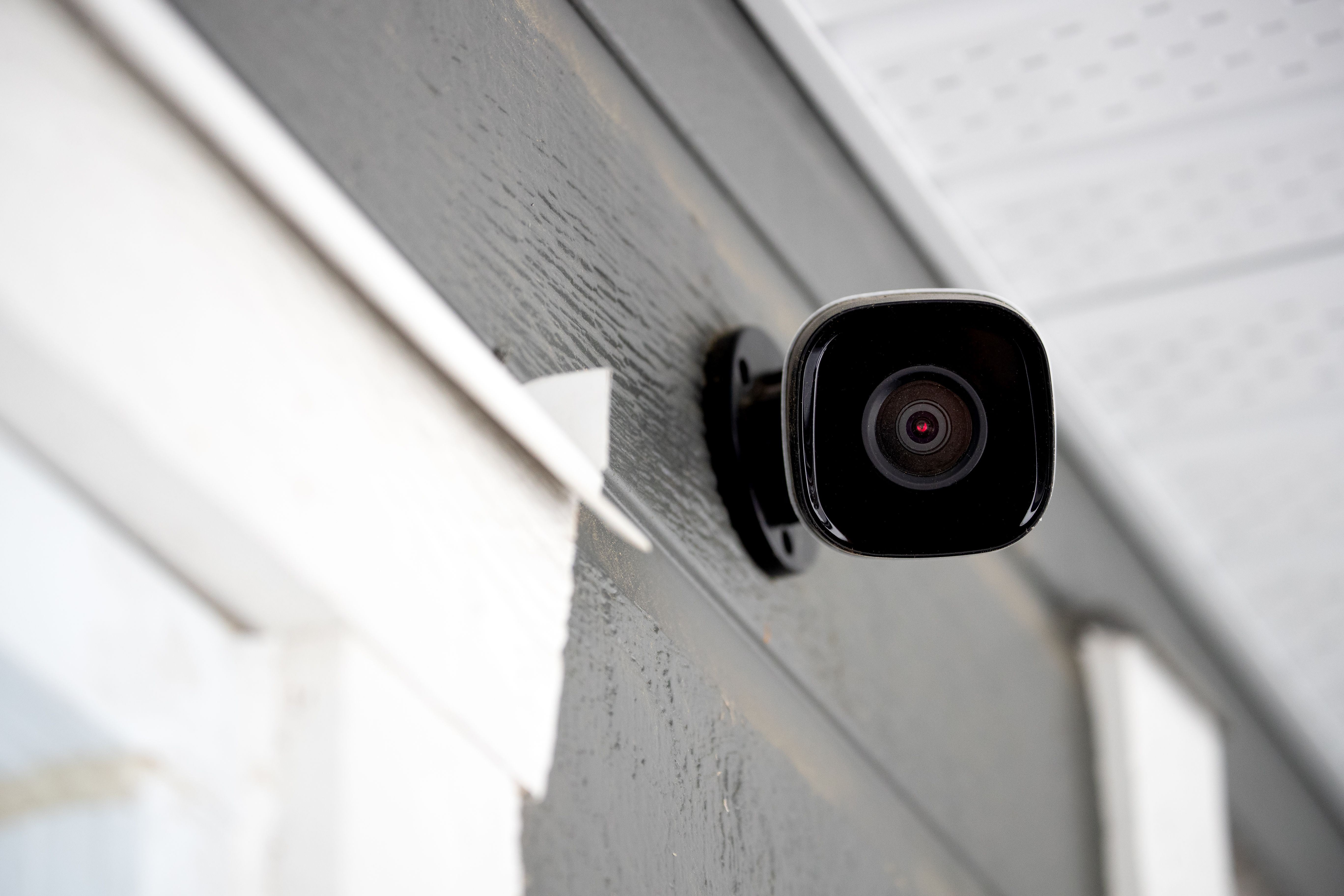
Wired security systems are known for their reliability. Since they are hardwired into the electrical system, they offer a stable connection and are less susceptible to interference. However, installation can be more complex and often requires professional assistance. Additionally, these systems might not be the best choice for renters or those planning to move soon.
Wireless systems, on the other hand, are more flexible and easier to install. They can be set up without professional help and are ideal for renters. However, they rely on battery power, which means you'll need to monitor and replace batteries regularly. Interference from other devices can occasionally disrupt their signals, but advancements in technology have minimized this issue.
Features to Consider
When evaluating security alarm systems, consider the features that are most important to you. Here are a few key elements to keep in mind:
- Monitoring Options: Choose between professional monitoring services and self-monitoring to determine your level of involvement.
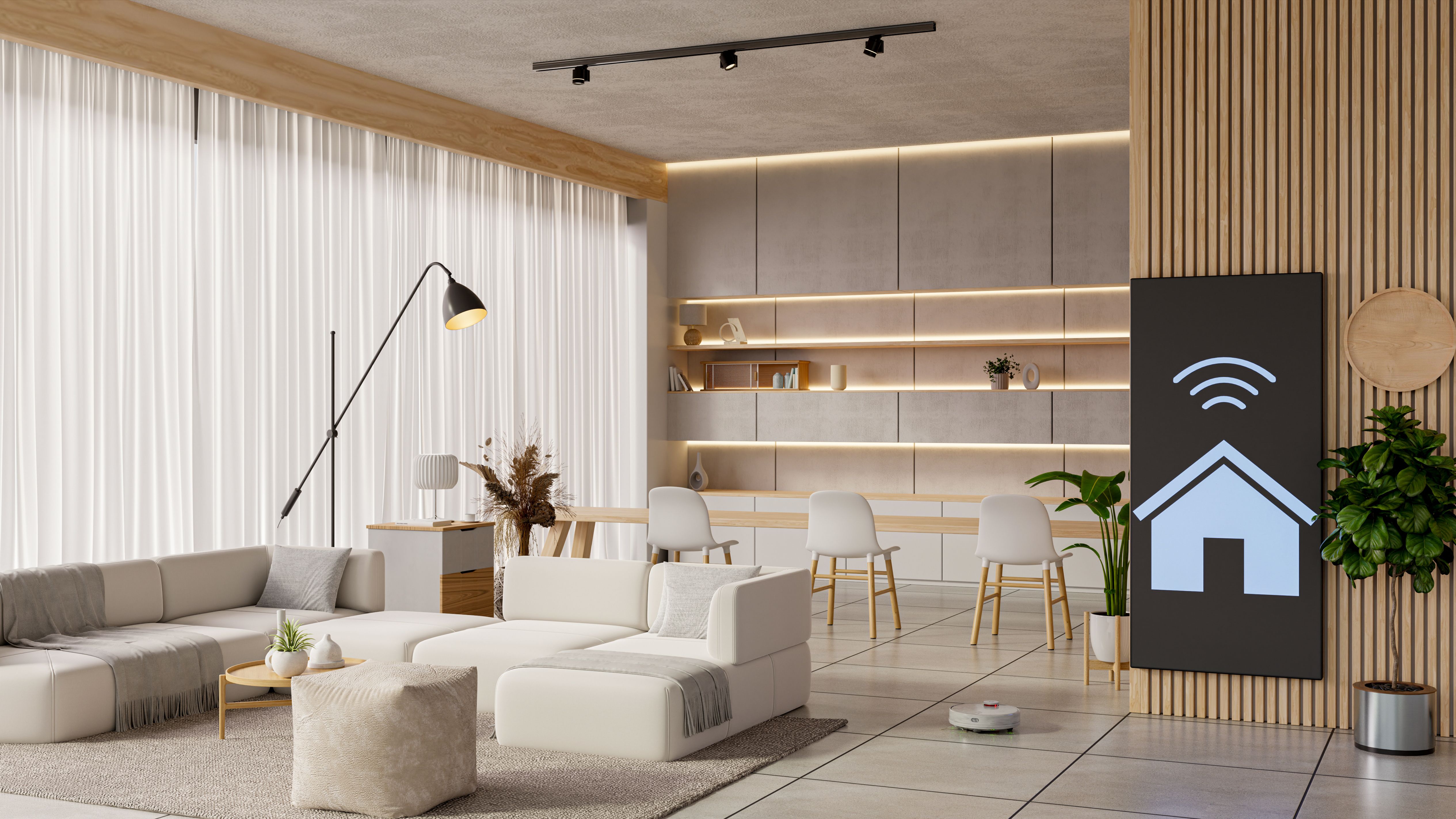
- Smart Home Integration: Many modern systems offer integration with smart home devices, allowing you to control alarms, lights, and cameras from a single app.
- Camera Support: Consider whether you need security cameras and if the system supports them.
Professional monitoring provides peace of mind, as a team of experts will respond to alerts and dispatch emergency services if needed. Self-monitoring offers more control but requires active participation in managing alerts.
Budget Considerations
The cost of a security alarm system can vary widely based on features and brand. It's important to set a budget and identify the most crucial features you need. Remember that while initial costs for wireless systems might be lower, ongoing expenses for battery replacements and potential service fees for professional monitoring should be factored into your decision.

Some systems require an upfront investment, while others offer monthly payment plans. Be sure to check if there are any hidden fees or long-term contracts involved.
Conclusion: Making the Right Choice
Choosing the right security alarm system for your home involves careful consideration of your specific needs, budget, and lifestyle. By understanding the differences between wired and wireless systems, evaluating essential features, and considering your budget, you can make an informed decision that provides the protection and peace of mind you desire.
Ultimately, the best security system is one that aligns with your personal requirements and offers reliable protection for your home and loved ones. Take the time to research and compare options to ensure you make a choice that you feel confident in.